

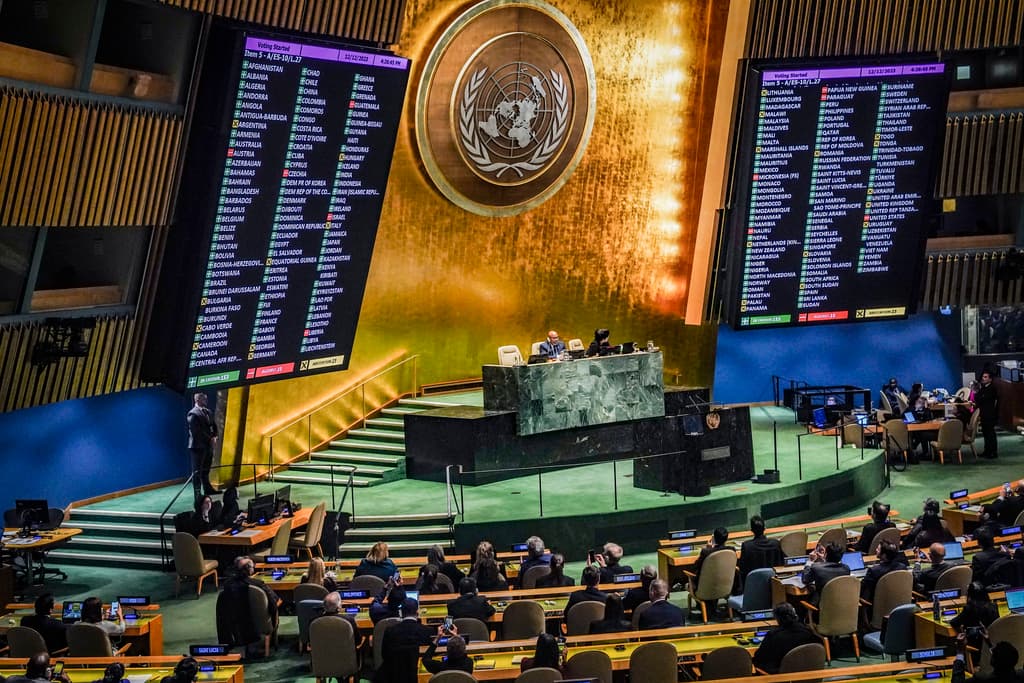
Discovery of Terrorist HQ Under UN Building in Gaza Means It’s Time To Reform the UN Itself
By CONRAD BLACK
|Often called ‘The Navy Hymn,’ or ‘The Royal Navy Hymn,’ the lyrics are as fine a trinitarian hymn as the tradition has produced.
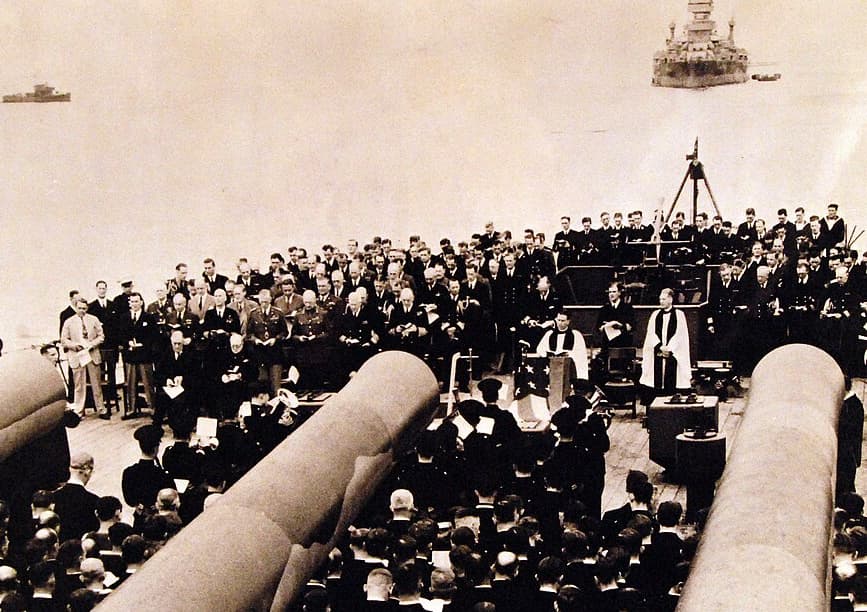
We conclude our week of thinking about the poetry of the English-language hymn tradition with what’s often called “The Navy Hymn,” or “The Royal Navy Hymn,” or just by its first line, “Eternal Father, strong to save.” The lyrics are as fine a trinitarian hymn as the tradition has produced.
The lyricist, the Reverend William Whiting (1825–1878) was master of choristers at the Winchester boarding school, and his literary output seems to promise little. He apparently published two volumes of poetry, “Rural Thoughts” in 1851 and “Edgar Thorpe, or the Warfare of Life” in 1867.
By CONRAD BLACK
|
By MAGGIE HRONCICH
|
By ANTHONY GRANT
|
By MAGGIE HRONCICH
|
By ABIGAIL SEABERG
|
By ALEKSANDRA GADZALA TIRZIU
|
By JON GAMBRELL
|
By MAGGIE HRONCICH
|We conclude our week of thinking about the poetry of the English-language hymn tradition with what’s often called “The Navy Hymn,” or “The Royal Navy Hymn,” or just by its first line, “Eternal Father, strong to save.” The lyrics are as fine a trinitarian hymn as the tradition has produced.
The lyricist, the Reverend William Whiting (1825–1878) was master of choristers at the Winchester boarding school, and his literary output seems to promise little. He apparently published two volumes of poetry, “Rural Thoughts” in 1851 and “Edgar Thorpe, or the Warfare of Life” in 1867.
Already have a subscription? Sign in to continue reading
Cancel anytime
By continuing you agree to our Privacy Policy and Terms of Service.
Cancel anytime