

Poem of the Day: ‘A Valediction: Forbidding Mourning’
In the current cultural climate, the act of revisiting the poetic tradition with sympathy seems almost revolutionary.
By EDITED BY JOSEPH BOTTUM
||Arts+

Mr. Bottum is the author of eight books, including ‘An Anxious Age’ and ‘The Decline of the Novel.’ Director of the Classics Institute at Dakota State University, he has written over 800 essays, poems, reviews, and short stories in publications from the Atlantic to the Washington Post. His poetry collections include ‘The Fall and Other Poems’ and ‘The Second Spring,’ and he has received a 2019 Christopher Medal for his poetry in the year’s best children’s book. He lives in the Black Hills of South Dakota.
In the current cultural climate, the act of revisiting the poetic tradition with sympathy seems almost revolutionary.
By EDITED BY JOSEPH BOTTUM
||Arts+

Australia Day has been a source of contention for the implied assumption that until 1788, Australia was a blank slate of a continent, empty and unpeopled, undiscovered by anyone until the British landed there.
By EDITED BY JOSEPH BOTTUM
||Arts+
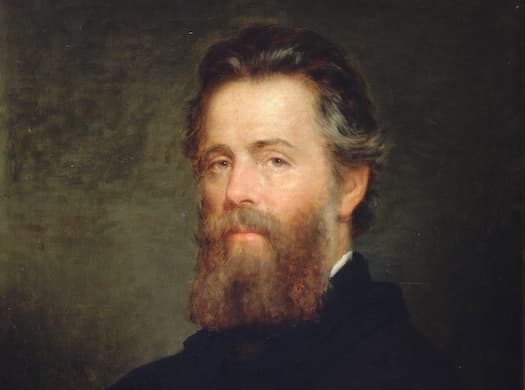
Herman Melville’s method here seems far more akin to Marianne Moore’s 20th-century process than to anything produced in the 19th century by a Longfellow or a Whittier, or even a Whitman.
By EDITED BY JOSEPH BOTTUM
||Arts+
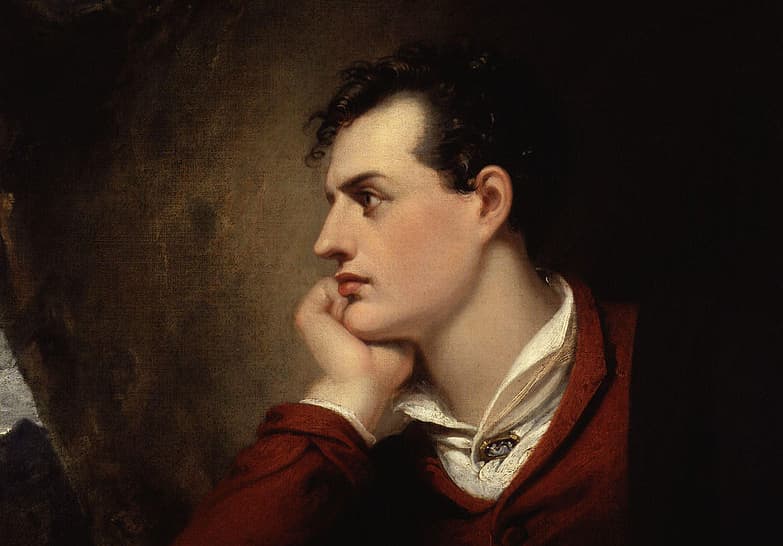
Lord Byron pictures himself as old, still capable of desire but no longer an object of others’ desire. The fire and the drive that pulls him out of aging languor is freedom for Greece.
By EDITED BY JOSEPH BOTTUM
||Arts+
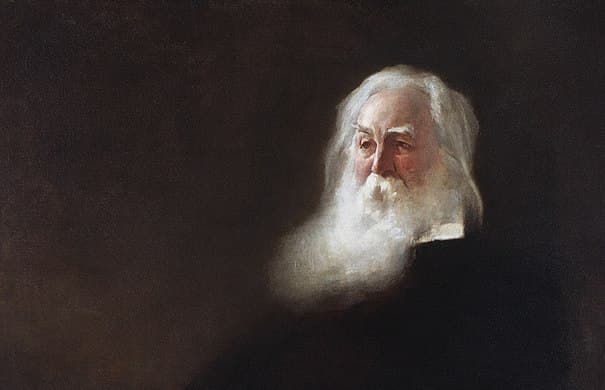
As a general rule, Whitman’s lines generate their poetic rhythm, urgency, and cohesion not through regular patterns of meter, but via patterns of repetition and the breaking of those patterns.
By EDITED BY JOSEPH BOTTUM
||Arts+
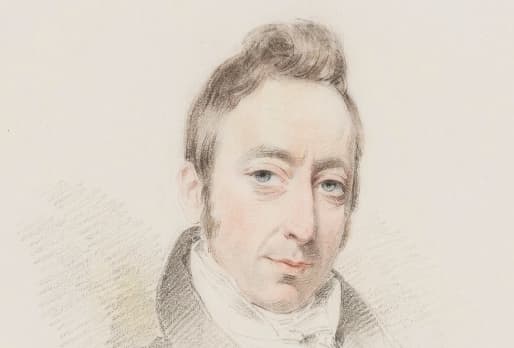
Joseph Blanco White wrote some now mostly forgotten poetry, but this sonnet, orginally dedicated to Samuel Taylor Coleridge, should not be allowed to fade away.
By EDITED BY JOSEPH BOTTUM
||Arts+
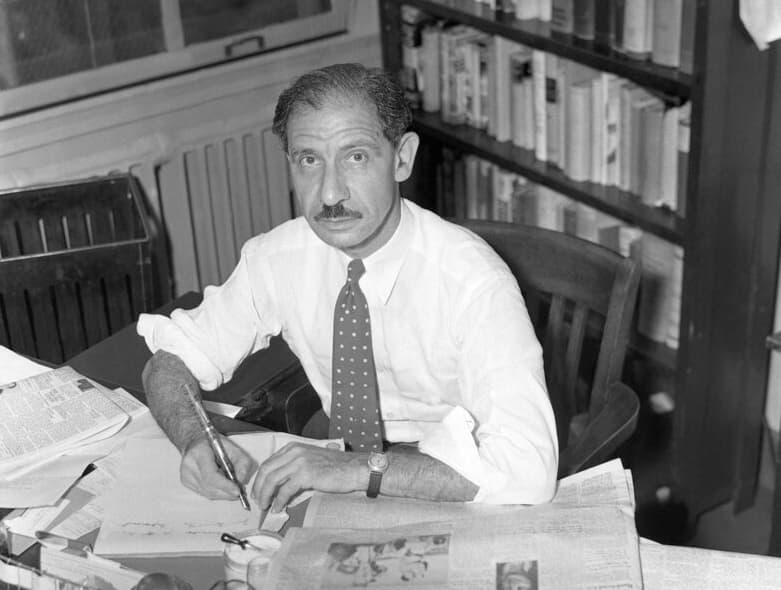
No one can set aside Franklin P. Adams, author of ‘The Conning Tower,’ as a master of the genre of newspaper poetry.
By EDITED BY JOSEPH BOTTUM
||Arts+
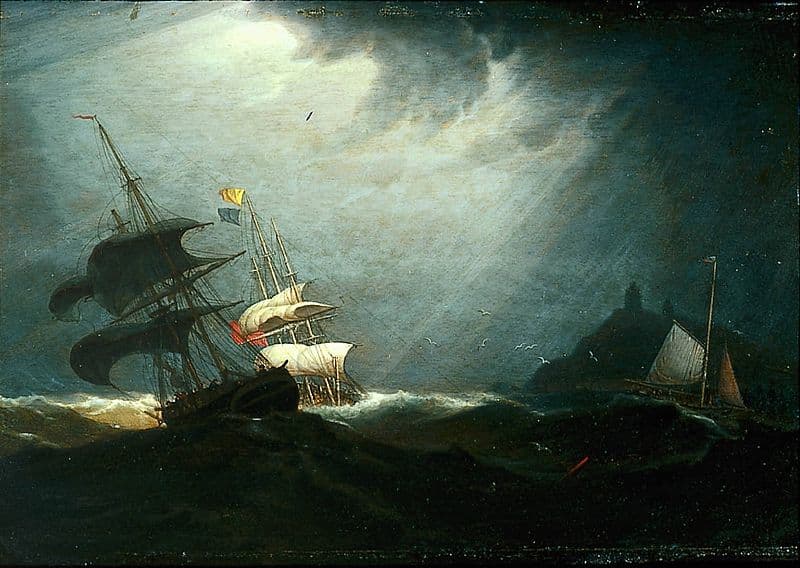
The poem takes a storm at sea as an image for the apocalypse, which Watts turns into the speaker’s prayer for redemption.
By EDITED BY JOSEPH BOTTUM
||Arts+

The holidays have emphatically ended. Spring seems an eternity away. It’s fitting that we should feature this song from the final act of Shakespeare’s early play, ‘Love’s Labour’s Lost.’
By EDITED BY JOSEPH BOTTUM
||Arts+
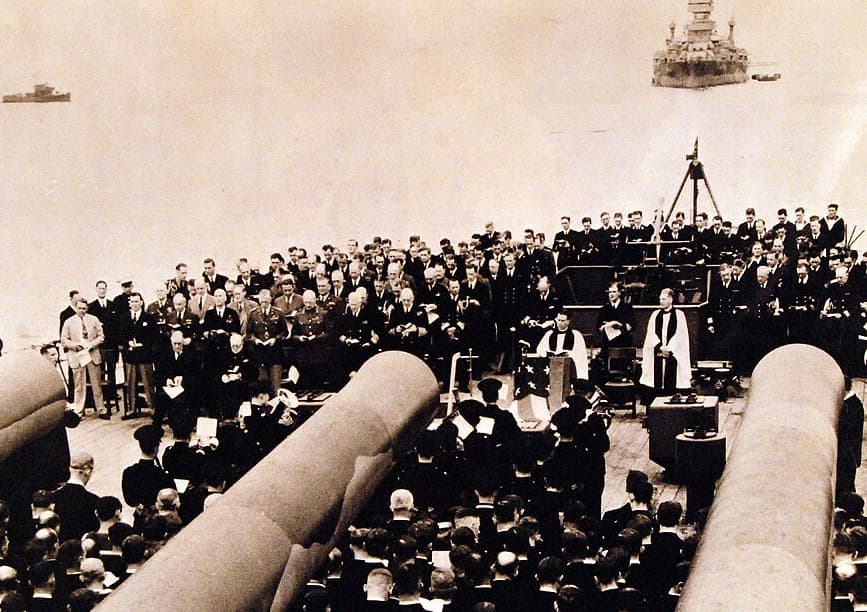
Often called ‘The Navy Hymn,’ or ‘The Royal Navy Hymn,’ the lyrics are as fine a trinitarian hymn as the tradition has produced.
By EDITED BY JOSEPH BOTTUM
||Arts+
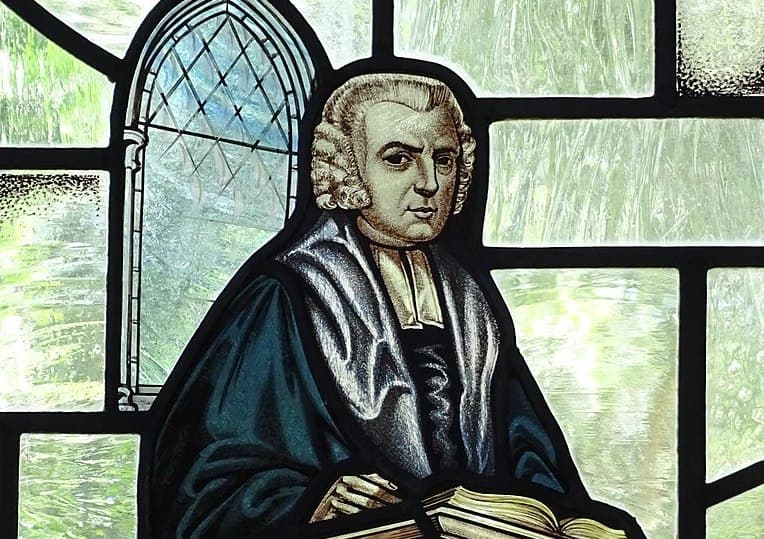
If John Newton’s ‘Amazing Grace’ speaks of the end of the road before conversion, his ‘Glorious Things of Thee Are Spoken’ speaks of the road afterward.
By EDITED BY JOSEPH BOTTUM
||Arts+
American readers may be unfamiliar with William Cowper’s hymn, but his “God moves in a mysterious way” is well known to the British.
By EDITED BY JOSEPH BOTTUM
||Arts+