


Discovery of Terrorist HQ Under UN Building in Gaza Means It’s Time To Reform the UN Itself
By CONRAD BLACK
|If John Newton’s ‘Amazing Grace’ speaks of the end of the road before conversion, his ‘Glorious Things of Thee Are Spoken’ speaks of the road afterward.
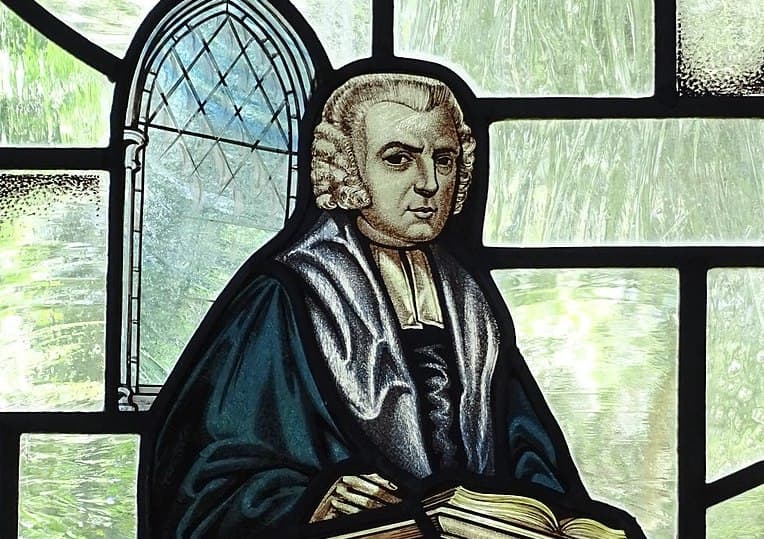
If we know John Newton’s name at all, it’s because he wrote “Amazing Grace,” which is, by all accounts, the most universally sung hymn in the English language. The conversion story bound up with that hymn is the one we’re most likely to remember: In 1744 the nineteen-year-old Newton (1725–1807) was press-ganged into service in the Royal Navy, but later traded to the master of a slave ship, which marked the beginning of his career in that sordid enterprise.
By CONRAD BLACK
|
By MAGGIE HRONCICH
|
By ANTHONY GRANT
|
By MAGGIE HRONCICH
|
By ABIGAIL SEABERG
|
By ALEKSANDRA GADZALA TIRZIU
|
By JON GAMBRELL
|
By MAGGIE HRONCICH
|If we know John Newton’s name at all, it’s because he wrote “Amazing Grace,” which is, by all accounts, the most universally sung hymn in the English language. The conversion story bound up with that hymn is the one we’re most likely to remember: In 1744 the nineteen-year-old Newton (1725–1807) was press-ganged into service in the Royal Navy, but later traded to the master of a slave ship, which marked the beginning of his career in that sordid enterprise.
Already have a subscription? Sign in to continue reading
Cancel anytime
By continuing you agree to our Privacy Policy and Terms of Service.
Cancel anytime