

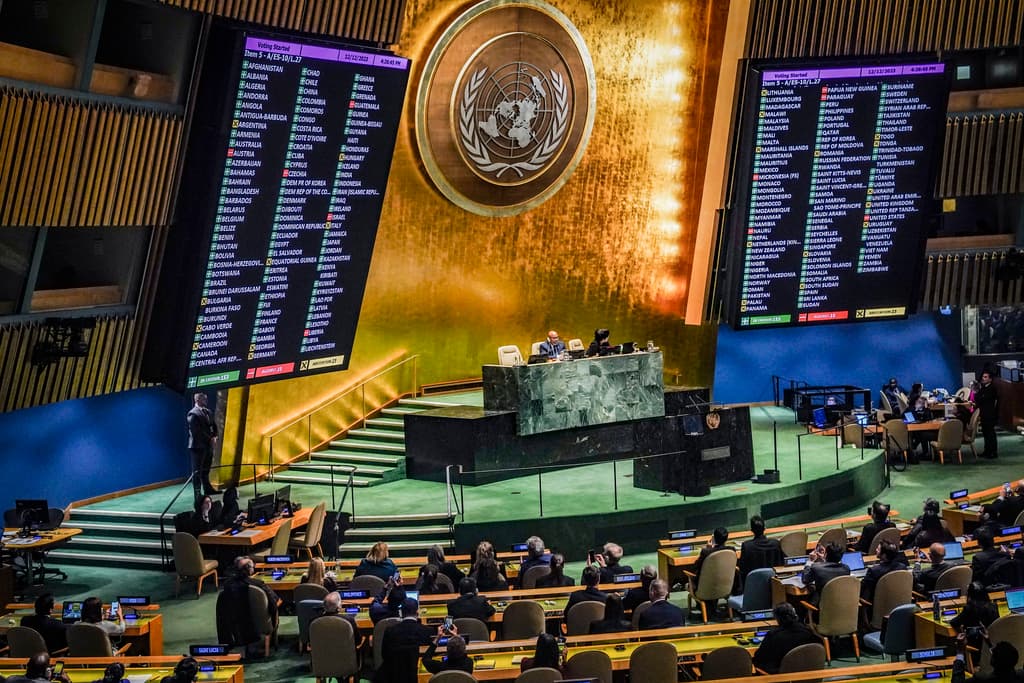
Discovery of Terrorist HQ Under UN Building in Gaza Means It’s Time To Reform the UN Itself
By CONRAD BLACK
|As a general rule, Whitman’s lines generate their poetic rhythm, urgency, and cohesion not through regular patterns of meter, but via patterns of repetition and the breaking of those patterns.
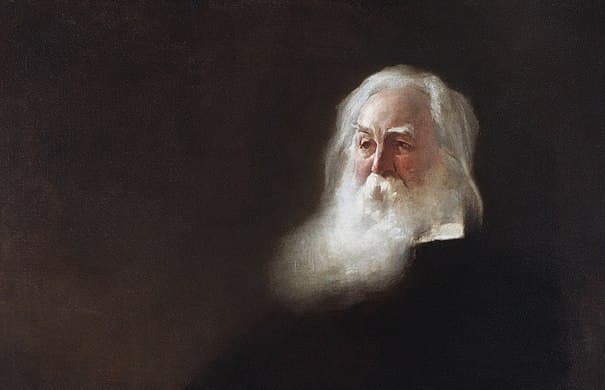
Whatever you think about the poetry of Walt Whitman (1819–1892), indisputably he does go on. As our poetry editor has noted before, it’s hard to choose a Whitman poem for the Sun’s Poem of the Day, simply because so many of them are so long. Of course, Whitman is not alone in this. Many nineteenth-century poets did go on. Longfellow’s “The Song of Hiawatha” and “Evangeline,” for example, are not haiku.
By CONRAD BLACK
|
By MAGGIE HRONCICH
|
By ANTHONY GRANT
|
By MAGGIE HRONCICH
|
By ABIGAIL SEABERG
|
By ALEKSANDRA GADZALA TIRZIU
|
By JON GAMBRELL
|
By MAGGIE HRONCICH
|Whatever you think about the poetry of Walt Whitman (1819–1892), indisputably he does go on. As our poetry editor has noted before, it’s hard to choose a Whitman poem for the Sun’s Poem of the Day, simply because so many of them are so long. Of course, Whitman is not alone in this. Many nineteenth-century poets did go on. Longfellow’s “The Song of Hiawatha” and “Evangeline,” for example, are not haiku.
Already have a subscription? Sign in to continue reading
Cancel anytime
By continuing you agree to our Privacy Policy and Terms of Service.
Cancel anytime